The bard of the British Empire wrote of civilising "your new-caught sullen peoples, Half devil and half child."
(Source: https://www.thefamouspeople.com/profiles/rudyard-kipling-40.php)
Posterity not only never forgives those who forget history, it decisively punishes them. 21st century 'New India' had better remember the old foundations on which it is building its Empire of the vanishing future. Recent writing on the economic and political history of the Raj has turned all but apologist. Here is an annoyingly interesting sample, worth the while of sensitive historians for critical intellectual attention.
These old foundations of the 'New India' were laid by a people who had wonderful bards to tell them imperial lies to hide the wars and genocides, the slavery and the plunder, by putting a fine, smiling face on the proceeds of organised bloodshed and conquest.
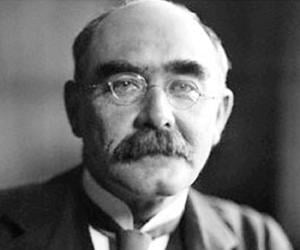
One such poet was the great Rudyard Kipling. This is what the wikipedia says about his poem:
"The White Man's Burden: The United States and the Philippine Islands" (1899), by Rudyard Kipling, is a poem about the Philippine–American War (1899–1902), in which he invites the United States to assume colonial control of that country.
"Originally, Kipling wrote the poem for the Diamond Jubilee celebration of Queen Victoria's reign (1837–1901), but it was exchanged for the poem "Recessional", also by Kipling. Later, he rewrote "The White Man's Burden" to address and encourage the American colonization of the Philippine Islands, a Pacific Ocean archipelago conquered from Imperial Spain, in the three-month Spanish–American War (1898).
"In the poem, Kipling exhorts the reader and the listener to embark upon the enterprise of empire, yet gives somber warning about the costs involved; nonetheless, American imperialists understood the phrase The white man's burden to justify imperialism as a noble enterprise of civilization, conceptually related to the American philosophy of Manifest Destiny."
Here is Kipling's (in)famous poem:
(Source: https://www.thefamouspeople.com/profiles/rudyard-kipling-40.php)
Posterity not only never forgives those who forget history, it decisively punishes them. 21st century 'New India' had better remember the old foundations on which it is building its Empire of the vanishing future. Recent writing on the economic and political history of the Raj has turned all but apologist. Here is an annoyingly interesting sample, worth the while of sensitive historians for critical intellectual attention.
These old foundations of the 'New India' were laid by a people who had wonderful bards to tell them imperial lies to hide the wars and genocides, the slavery and the plunder, by putting a fine, smiling face on the proceeds of organised bloodshed and conquest.
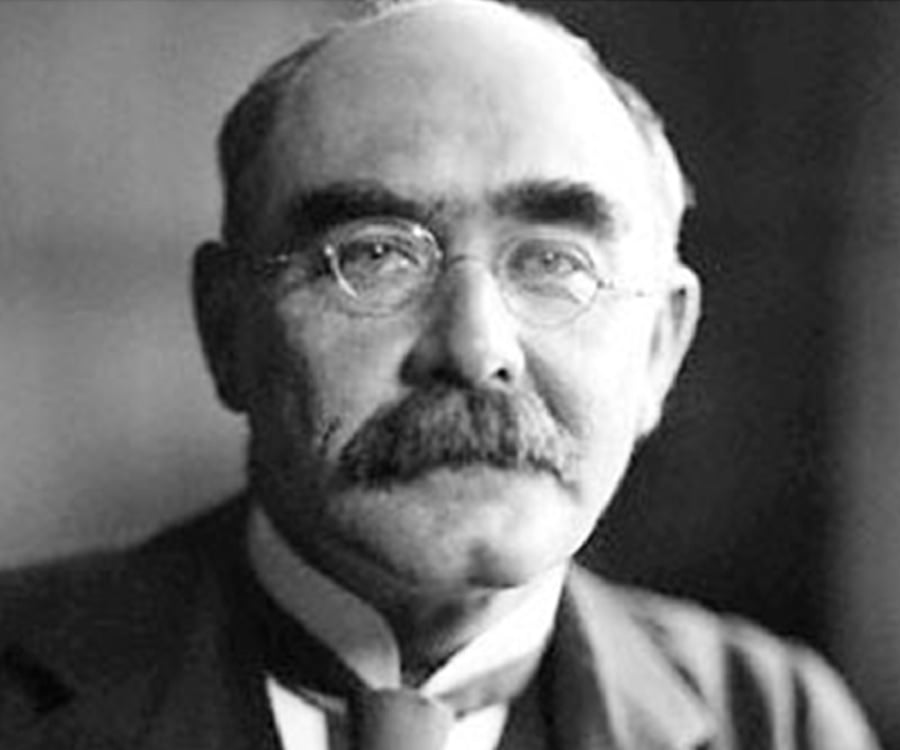
One such poet was the great Rudyard Kipling. This is what the wikipedia says about his poem:
"The White Man's Burden: The United States and the Philippine Islands" (1899), by Rudyard Kipling, is a poem about the Philippine–American War (1899–1902), in which he invites the United States to assume colonial control of that country.
"Originally, Kipling wrote the poem for the Diamond Jubilee celebration of Queen Victoria's reign (1837–1901), but it was exchanged for the poem "Recessional", also by Kipling. Later, he rewrote "The White Man's Burden" to address and encourage the American colonization of the Philippine Islands, a Pacific Ocean archipelago conquered from Imperial Spain, in the three-month Spanish–American War (1898).
"In the poem, Kipling exhorts the reader and the listener to embark upon the enterprise of empire, yet gives somber warning about the costs involved; nonetheless, American imperialists understood the phrase The white man's burden to justify imperialism as a noble enterprise of civilization, conceptually related to the American philosophy of Manifest Destiny."
Here is Kipling's (in)famous poem:
The White Man's Burden |
| TAKE up the White Man's burden - Send forth the best ye breed - Go bind your sons to exile To serve your captives' need; To wait in heavy harness On fluttered folk and wild - Your new-caught sullen peoples, Half devil and half child. Take up the White Man's burden - In patience to abide To veil the threat of terror And check the show of pride; By open speech and simple, An hundred times made plain, To seek another's profit, And work another's gain. Take up the White Man's burden - The savage wars of peace - Fill full the mouth of famine And bid the sickness cease; And when your goal is nearest The end for others sought, Watch Sloth and heathen Folly Bring all your hopes to nought. Take up the White Man's burden - No tawdry rule of kings, But toil of serf and sweeper - The tale of common things. The ports ye shall not enter, The roads ye shall not tread, Go make them with your living, And mark them with your dead ! Take up the White Man's burden - And reap his old reward, The blame of those ye better, The hate of those ye guard - The cry of hosts ye humour (Ah slowly !) towards the light:- "Why brought ye us from bondage, "Our loved Egyptian night ?" Take up the White Man's burden - Ye dare not stoop to less - Nor call too loud on Freedom To cloak your weariness; By all ye cry or whisper, By all ye leave or do, The silent sullen peoples Shall weigh your Gods and you. Take up the White Man's burden - Have done with childish days - The lightly proffered laurel, The easy, ungrudged praise. Comes now, to search your manhood Through all the thankless years, Cold-edged with dear-bought wisdom, The judgement of your peers. |

No comments:
Post a Comment